Understanding Different Ammunition Uses and Types: A Complete Guide for New and Experienced Shooters
Whether you are a first-time gun owner or a seasoned shooter looking to expand your knowledge, understanding the different ammunition types and their uses is crucial for safety, performance, and cost-effectiveness. With so many ammo options on the market, choosing the right ammunition for your firearm and intended use can feel overwhelming.
In this detailed guide, we break down different ammunition types, uses, and considerations to help you make informed purchasing decisions, whether for self-defense, hunting, target shooting, or competitive shooting.
Why Understanding Ammo Types Matters
Ammunition is not a one-size-fits-all product. The wrong ammo can lead to:
- Poor accuracy
- Malfunctions or misfires
- Excessive recoil
- Catastrophic failures
- Legal concerns in certain jurisdictions (Armor piercing or other types of controlled ammunition)
Knowing your caliber, bullet type, and intended use ensures you get the most out of your firearms while practicing safe and responsible gun ownership.
Key Components of Ammunition
Before diving into specific types, it helps to understand the components that make up modern cartridges:
- Case – Usually brass, steel, or aluminum, holds all other components together.
- Primer – The ignition source when struck by the firing pin.
- Powder – The propellant that generates gas pressure to propel the bullet.
- Bullet – The projectile that leaves the barrel toward your target.
Understanding these components helps you grasp the differences in bullet types and calibers for specific uses.
Common Types of Ammunition Based on Use
1. Target and Practice Ammunition
Target shooting ammo is designed for range training and recreational shooting. These are typically:
- Full Metal Jacket (FMJ): A soft core (often lead) encased in a harder metal shell. It offers reliable feeding and consistent accuracy while being affordable for high-volume shooting.
- Polymer Coated: Polymer coated ammunition is commonly used with steel targets and helps by not having a copper jacket that turns into more shrapnel. They also have an added side effect by keeping the barrel cleaner.
- Steel Case Ammunition: Often cheaper, though not reloadable, and may cause more wear on some extractors and cause cycling malfunctions in some firearms.
Best uses:
- Learning to shoot
- Zeroing optics
- Practicing drills (remember when practicing to use the same grain weight bullets as the ammo you plan to carry).
- Recreational plinking
Popular examples:
- 9mm 115gr FMJ for pistols
- .223 Remington 55gr FMJ for AR-15 platforms
2. Self-Defense Ammunition
When it comes to personal protection, you need ammunition that:
- Expands reliably upon impact
- Minimizes over-penetration
- Delivers consistent stopping power
Common self-defense ammo types:
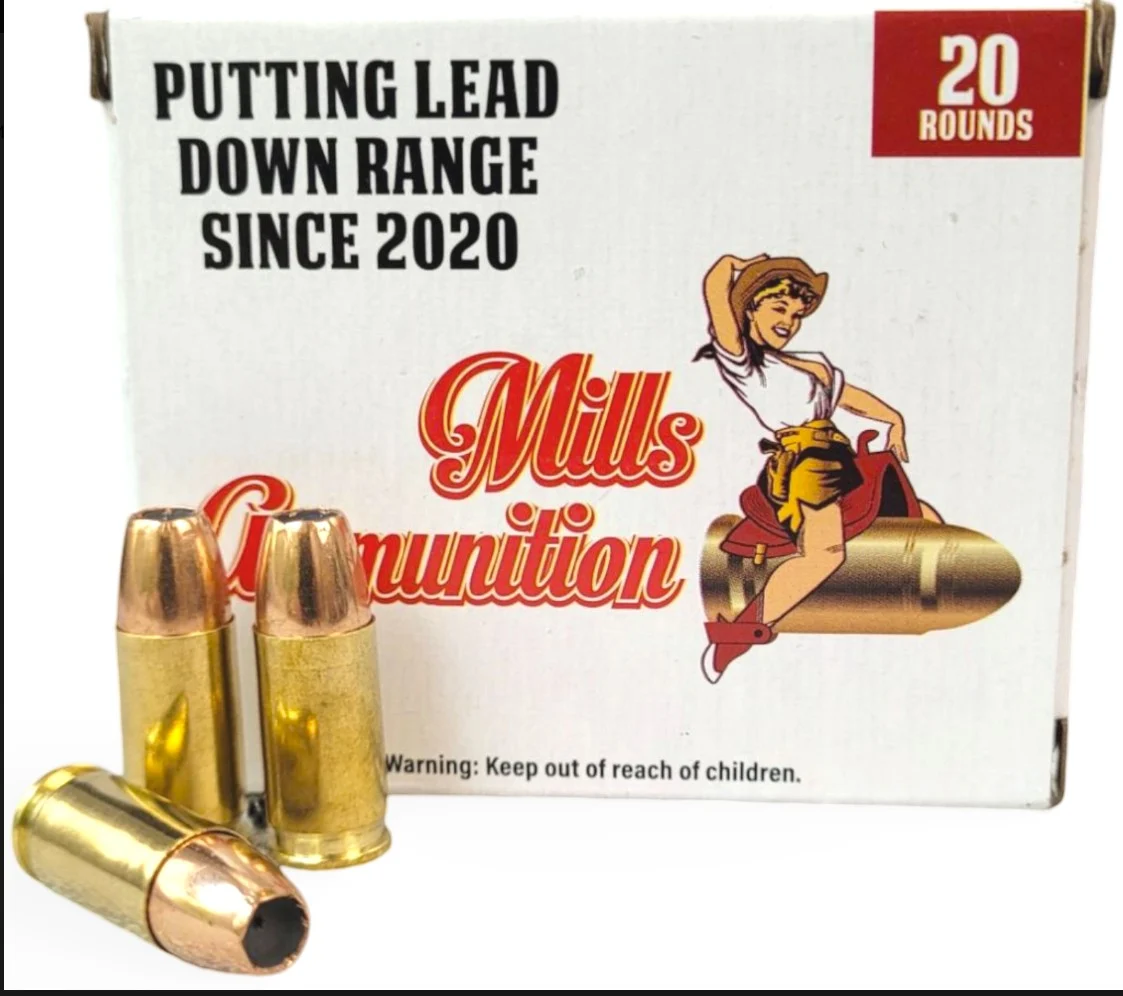
- Hollow Point (HP) or Jacketed Hollow Point (JHP): Designed to expand and create a larger wound channel, transferring energy to the target.
- Frangible Ammunition: Disintegrates on impact, reducing the risk of ricochet in close-quarters scenarios.
Best uses:
- Concealed carry
- Home defense
Popular examples:
- 9mm 124gr JHP for concealed carry pistols
- .45 ACP 230gr JHP for home defense handguns
3. Hunting Ammunition
Hunters require ammunition designed to ethically and efficiently take down game. Key considerations include:
- Caliber and energy suitable for the game size
- Bullet design for expansion or penetration as needed
Popular hunting bullet types:
- Soft Point (SP): Exposed lead tip that expands on impact for effective energy transfer.
- Ballistic Tip: Polymer-tipped bullets that combine aerodynamic efficiency with rapid expansion.
- Bonded Bullets: Jacket and core are bonded to prevent separation and maintain weight for deep penetration.
Best uses:
- .308 Winchester 150gr SP for deer hunting
- .30-06 Springfield 180gr bonded for elk or larger game
- .223 Remington 62gr soft point for small game or varmint control
4. Competition Ammunition
Competitive shooters require consistency, accuracy, and minimal recoil to maximize performance during matches.
Competition ammo features:
- Consistent velocity and low standard deviation for precision
- Tuned recoil for faster follow-up shots
- Clean-burning powders to reduce fouling
Best uses:
- IDPA, USPSA, IPSC competitions
- Precision rifle matches
Popular examples:
- 9mm 147gr FMJ subsonic loads for action shooting sports
- 6.5 Creedmoor match-grade ammo for long-range precision competitions
Specialty Ammunition
While the above categories cover the majority of shooters, other specialty ammunition types include:
- Tracer Rounds: Visible path for training or signaling. Remember these work both ways.
- Armor-Piercing: Restricted in many areas but used in military or LE applications.
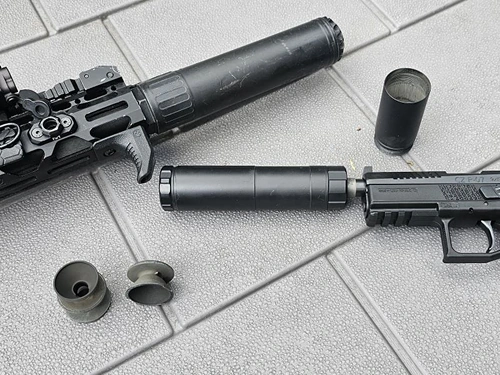
- Subsonic Ammunition: Travels below the speed of sound for suppressed shooting, reducing noise signature. Usually these are heavier bullets with lower velocity, therefore it really shortens the potential distance of the round.
- Shotgun Shells: Available in birdshot, buckshot, and slugs for various applications.
Choosing the Right Ammunition for Your Firearm
Check Your Firearm’s Caliber
Using the wrong caliber can damage your firearm and cause injury. Always match the cartridge caliber to what is stamped on your barrel or listed in your firearm’s manual.
Consider Your Intended Use
- Range day? Use FMJ for cost-effective practice.
- Carry gun? Choose reliable hollow point self-defense ammo.
- Deer season? Pick the appropriate hunting round for ethical harvesting.
Balance Cost vs. Performance
While premium ammunition offers advantages in self-defense or hunting, using high-quality but economical options for practice ensures you stay proficient without breaking the bank.
Storage and Care for Ammunition
Proper ammo storage extends shelf life and ensures reliability:
- Store in cool, dry environments.
- Use ammo cans with desiccant packs for moisture control.
- Inspect ammo for corrosion, dents and bullet setback (especially if you chamber and unchamber often).
- Keep your ammo organized by caliber and type for easy access.
Common Questions About Ammunition
Q: Can I use +P ammunition in my firearm?
Check your firearm’s manual to ensure it is rated for +P or +P+ ammunition before using higher-pressure rounds.
Q: What is the difference between .223 Remington and 5.56 NATO?
While similar, 5.56 NATO typically operates at higher pressures. Not all .223 chambers can safely handle 5.56; verify your firearm’s capabilities before use. The exception is .223 Wylde as it was designed for both .223 Rem and 5.56 NATO.
Q: How long does ammunition last?
Properly stored ammunition can last decades. Check for corrosion or damaged cases before use.
Q: Can I reload my spent brass?
Yes, reloading allows you to customize loads and save money, but it requires proper equipment, safety knowledge, and time investment.
Final Thoughts: Mastering Ammo Knowledge for Effective Shooting
Understanding different ammunition types and uses equips you to:
✅ Shoot safely
✅ Match the right ammo to your firearm
✅ Improve accuracy
✅ Hunt ethically
✅ Protect yourself effectively
Whether you are browsing our online ammo selection or visiting your local range, this knowledge empowers you to choose the best ammunition for your needs confidently.
Shop Quality Ammunition at [Your Store Name]
At Big Bee Bee LLC, we stock a wide selection of FMJ, JHP, soft point, and specialty ammunition from trusted brands for:
- Target practice
- Self-defense
- Hunting
- Competition
Check out our Ammunition Collection today and enjoy fast shipping and competitive pricing to keep your magazines full and your skills sharp.