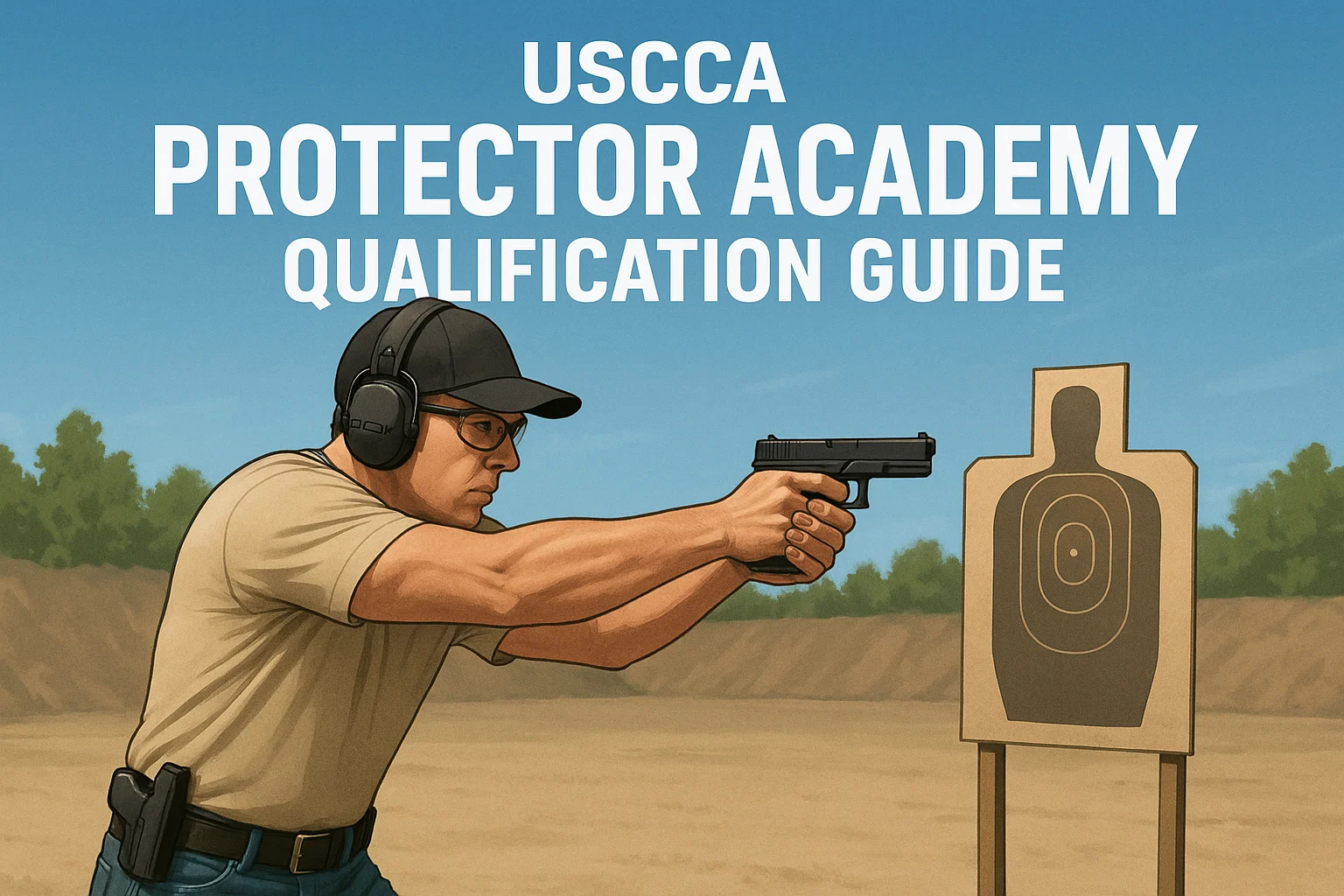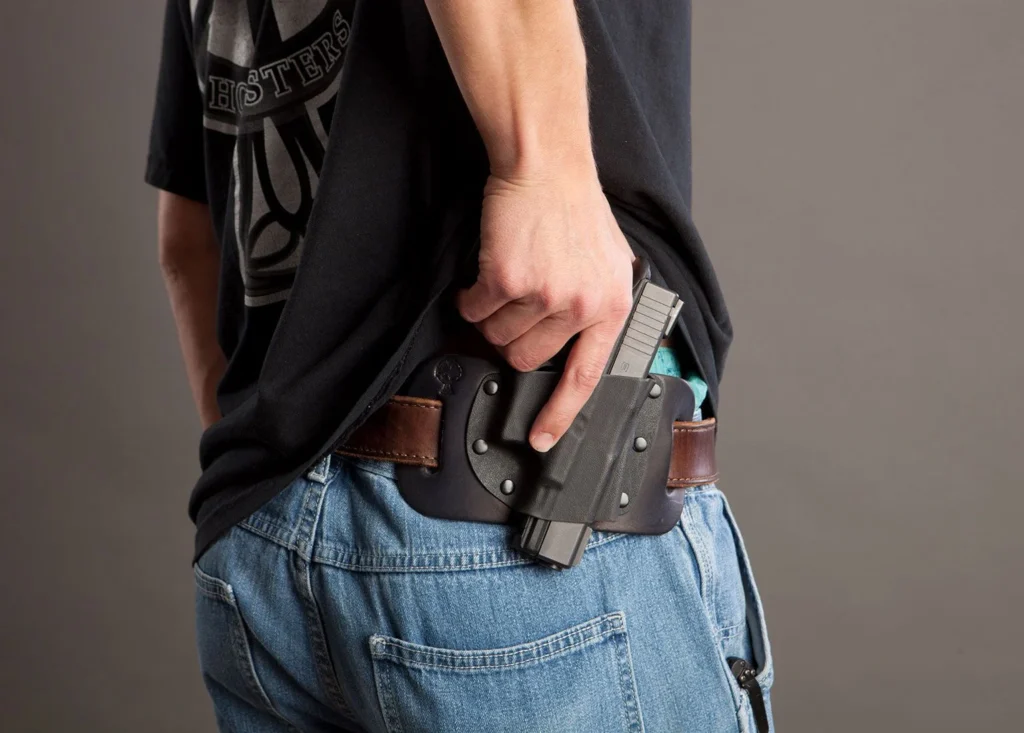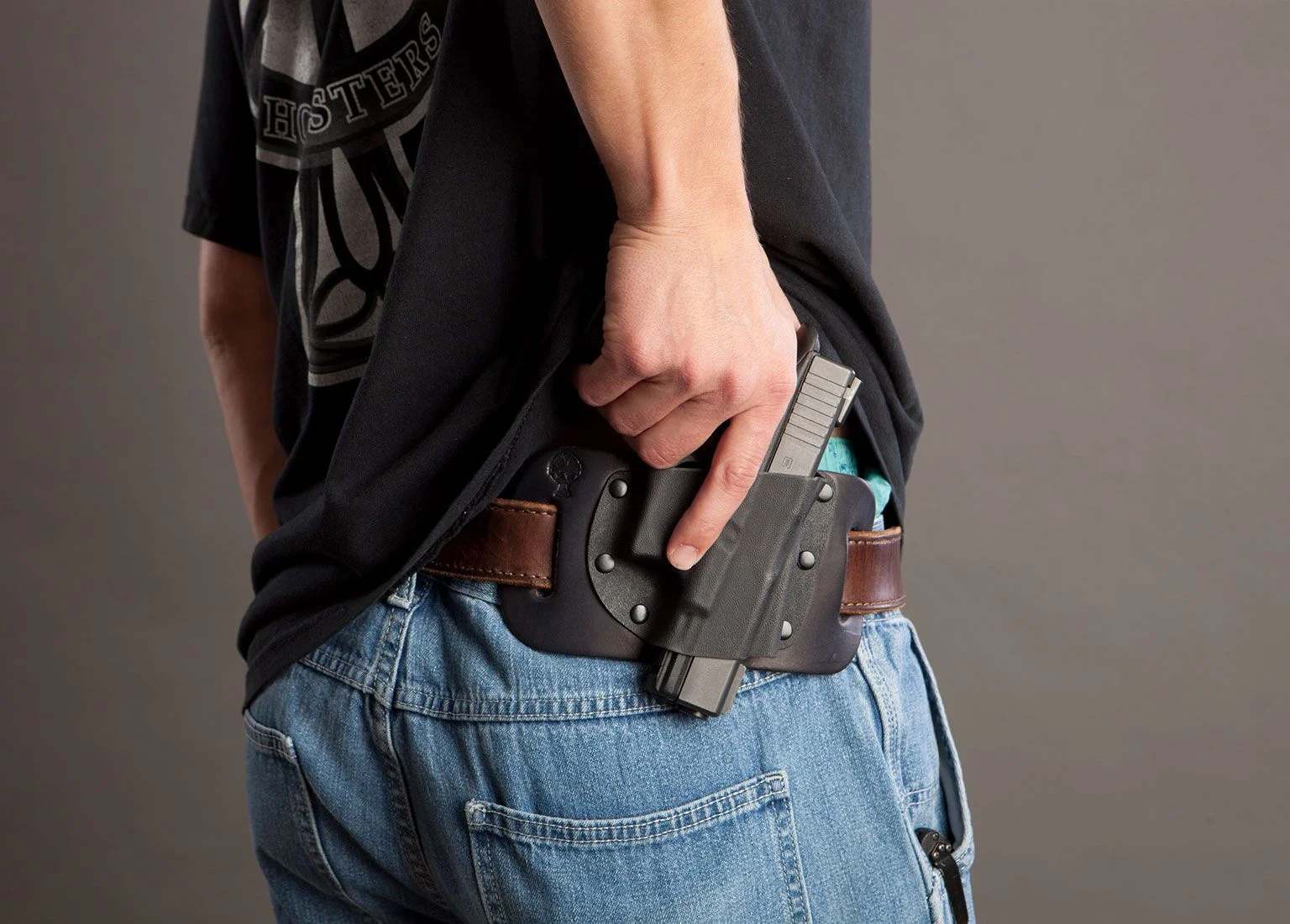
Firearms ownership carries serious responsibility. Whether your goal is personal defense, professional competency, competition, or simply becoming a safer and more capable shooter, training is non‑negotiable. Owning a firearm without investing in skill development is like owning a vehicle without ever learning how to drive under stress. Training builds confidence, reinforces safety, and prepares you to perform when it actually matters.
Among the many drills used in defensive and practical firearms training, the Box Drill stands out as one of the most efficient, adaptable, and revealing exercises available. It tests multiple core shooting fundamentals at once: accuracy, recoil control, target transitions, movement, situational awareness, and decision‑making under pressure.
This article takes a deep dive into firearms training with a specific focus on the Box Drill—what it is, why it matters, how to perform it correctly, and how to integrate it into a well‑rounded training program. Whether you are new to defensive shooting or an experienced shooter looking to refine your skills, the Box Drill deserves a permanent place in your practice routine.
Why Firearms Training Matters
Before breaking down the Box Drill itself, it’s important to understand why structured firearms training is essential.
Real‑world defensive encounters are chaotic, fast, and unforgiving. Fine motor skills degrade under stress. Heart rate spikes. Vision narrows. Auditory exclusion sets in. In those moments, you will not rise to the occasion—you will default to your level of training.
Consistent firearms training helps:
- Reinforce safe gun handling habits
- Improve accuracy and speed under stress
- Build efficient draw strokes and reloads
- Enhance decision‑making and threat assessment
- Reduce hesitation and uncertainty
Drills like the Box Drill simulate realistic engagement problems rather than static, slow‑fire marksmanship. They force the shooter to think, move, and execute simultaneously—much closer to how defensive shootings actually unfold.
What Is the Box Drill?
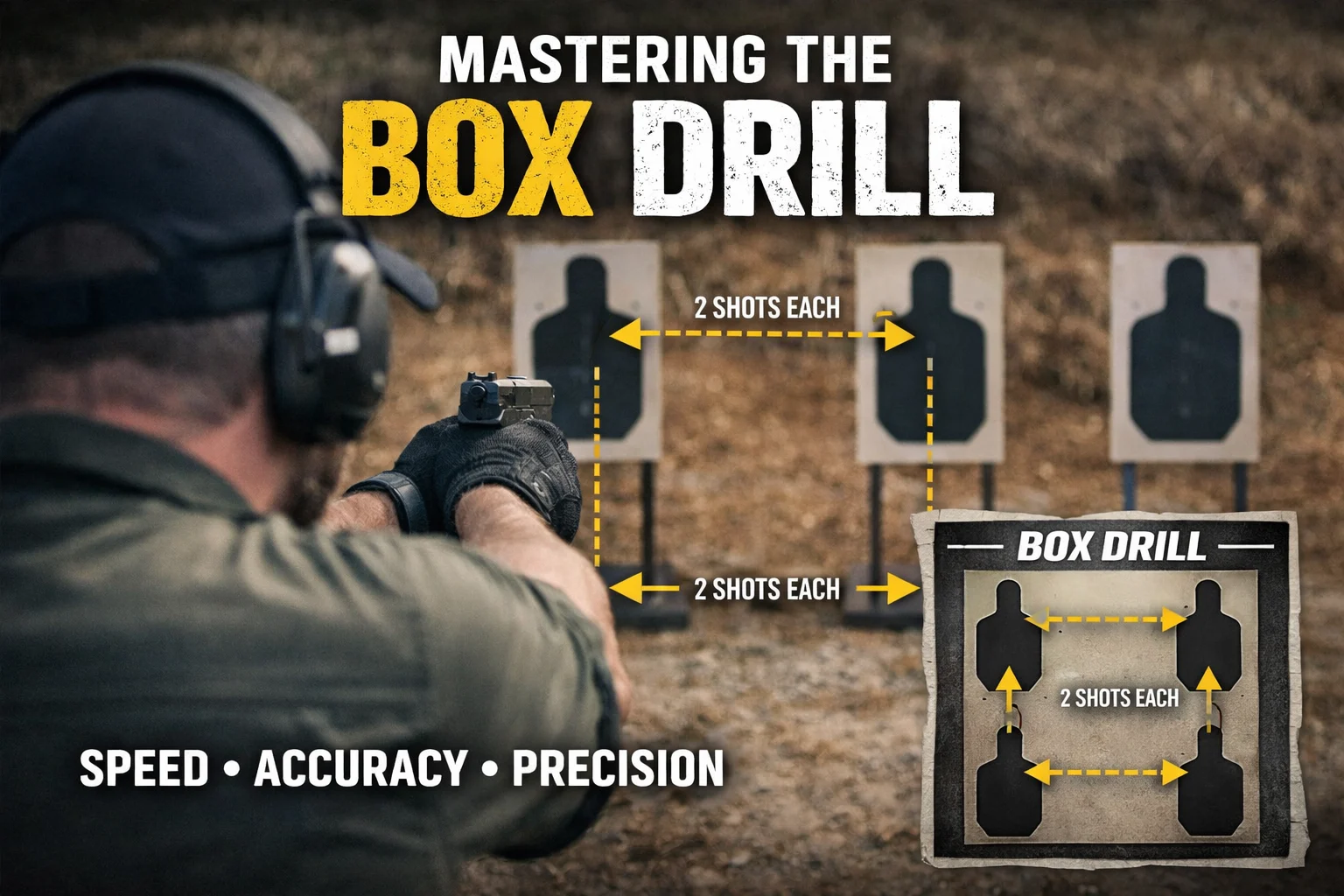
The Box Drill is a multi‑target engagement drill typically involving four targets arranged in a square or rectangular pattern—hence the name “box.” The shooter engages each target in a specific sequence, often while incorporating movement, reloads, or directional changes.
At its core, the Box Drill is designed to test:
- Target transitions
- Shot placement consistency
- Movement with a firearm
- Muzzle discipline
- Trigger control under pressure
While there are many variations, the standard Box Drill uses four targets placed at equal distances from each other, usually at defensive handgun distances (5–10 yards). The shooter fires a prescribed number of rounds into each target, often moving laterally or diagonally between engagements.
Because of its flexibility, the Box Drill can be adapted for:
The Purpose Behind the Box Drill
Unlike simple drills that focus on one skill at a time, the Box Drill intentionally layers complexity. It forces the shooter to manage multiple tasks at once, revealing weaknesses that might not appear during basic drills.
Key purposes of the Box Drill include:
1. Target Discrimination and Transitions
In a real defensive scenario, threats rarely appear in isolation. The Box Drill teaches shooters to efficiently move their sights and attention from one threat to the next without rushing or skipping fundamentals.
2. Movement and Positioning
Standing still is rarely ideal in a defensive encounter. Many Box Drill variations require movement—forward, backward, or laterally—forcing shooters to maintain balance and control while shooting.
3. Stress Exposure
The sequence, timer pressure, and physical movement elevate heart rate and cognitive load. This stress inoculation is invaluable for real‑world preparedness.
4. Accountability
Multiple targets make it harder to “cheat” the drill. Poor hits, missed transitions, or sloppy movement quickly become obvious.
Standard Box Drill Setup
A basic Box Drill setup requires minimal equipment, making it accessible for most ranges.
Equipment Needed
- Firearm (typically a handgun)
- Holster (if drawing from concealment or duty rig)
- 4 targets (paper or steel)
- Shot timer (optional but highly recommended)
- Ammunition
Target Placement
- Arrange four targets in a square or rectangle
- Typical spacing: 3–5 feet between targets
- Distance from shooter: 5–10 yards
Targets are often labeled or mentally numbered (1 through 4) to establish a clear engagement order.
How to Perform the Basic Box Drill
While variations abound, a common baseline version of the Box Drill looks like this:
- Start from the holster, firearm loaded and secured
- On the signal, draw and engage Target 1 with two rounds
- Transition to Target 2 and fire two rounds
- Transition to Target 3 and fire two rounds
- Transition to Target 4 and fire two rounds
- Safely reholster or follow range commands
This simple sequence already demands:
- Efficient draw stroke
- Visual discipline
- Smooth trigger press
- Controlled recoil
- Clean transitions
Once proficiency is demonstrated, movement and reloads can be added to significantly increase difficulty.
Common Box Drill Variations
One of the Box Drill’s greatest strengths is adaptability. Below are several popular and effective variations.
1. Moving Box Drill
Instead of remaining stationary, the shooter moves between positions while engaging targets. For example:
- Engage Target 1 while stationary
- Move laterally while engaging Target 2
- Move forward or backward for Target 3
- Finish with Target 4 from a different angle
This reinforces shooting on the move and proper footwork.
2. Reload Box Drill
Add a mandatory reload during the drill:
- Engage first two targets
- Perform a reload
- Engage remaining targets
This variation tests reload efficiency under pressure.
3. Strong‑Hand / Support‑Hand Box Drill
Shooters engage specific targets using only their strong hand or support hand. This builds capability for injured‑hand scenarios.
4. Randomized Order Box Drill
Instead of a fixed sequence, a training partner or shot timer app calls out target numbers at random. This enhances cognitive processing and decision‑making.
Shot Placement and Accuracy Standards
Speed is important, but accuracy is non‑negotiable. A common mistake is chasing faster times at the expense of effective hits.
Recommended standards:
- Aim for high‑center‑chest or designated scoring zones
- All rounds should remain within the acceptable target area
- Misses or poor hits negate the purpose of the drill
It is far better to run the Box Drill clean at a slower pace than fast with sloppy hits.
Safety Considerations
Safety must remain the top priority during all firearms training.
Key safety points for the Box Drill:
- Maintain strict muzzle discipline during movement
- Keep finger off the trigger while moving unless actively firing
- Know your range rules regarding movement and holster work
- Start slowly and build speed gradually
If movement drills are not permitted at your range, the Box Drill can still be performed statically while maintaining its training value.
Integrating the Box Drill Into Your Training Program
The Box Drill should not exist in isolation. It works best as part of a structured training plan.
A balanced session might include:
- Warm‑up fundamentals (slow fire accuracy)
- Draw and presentation drills
- Box Drill variations
- Reload drills
- Cool‑down accuracy confirmation
Running the Box Drill once or twice per session is often sufficient. Quality repetitions matter more than quantity.
Measuring Progress
Tracking performance is critical for improvement.
Metrics to record:
- Total time
- First shot time
- Split times between targets
- Hit quality
Over time, shooters should see smoother transitions, tighter groups, and reduced hesitation—even if raw speed increases gradually.
Training for Real‑World Application
While no drill perfectly replicates reality, the Box Drill comes close by combining movement, multiple threats, and time pressure. When paired with mindset training and sound tactics, it builds practical defensive competence.
Remember: drills are tools. The goal is not to “win” the drill, but to develop skills that translate into safe, effective firearm use when it matters most.
Final Thoughts
Firearms training is an ongoing journey, not a one‑time event. The Box Drill is a powerful, versatile exercise that challenges shooters at every level and exposes areas for growth.
Whether you are training for personal defense, professional use, or skill development, incorporating the Box Drill into your routine will sharpen your fundamentals, increase confidence, and elevate your overall shooting ability.
Train deliberately. Train safely. And above all—train with purpose.